How to Play Stick War
Learn how to play Stick War with beginner-friendly strategy, unit roles, economy timing, and practical battle tips you can apply right away.
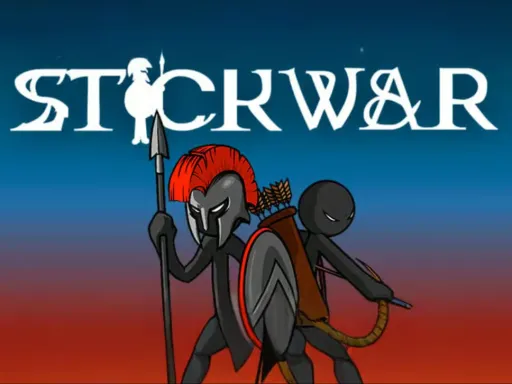
How to Play Stick War: A Clear Guide for New and Returning Players
If you want to learn stick war fast, this guide is for you. Many players jump into stick war, spam units, and lose before they understand why. A better path is simple: learn the goal, build your economy, pick smart fights, and push at the right time. Once you do that, stick war feels less random and much more fun.
This guide uses plain language and practical examples. You can read it once, then use it as a checklist while you play. If you practice on stickwargame.org, the same stick war rules apply, so you can build habits that work in every match.
What Is Stick War and Why Do Players Love It?
At its core, stick war is a strategy game about pressure and timing. You mine gold, train units, protect your statue, and destroy the enemy statue. Every stick war match is a race between economy, army strength, and map control. If you spend gold too early, you get weak later. If you save too much, you lose the map now. That tension is why stick war stays exciting.
The official mobile listing for Stick War: Legacy highlights unit control and formation commands, and that matches what players feel in real stick war battles. You are not only building an army. You are also making moment-by-moment decisions about movement, focus fire, and when to retreat.
The Main Goal in Stick War
Before learning advanced stick war strategy, lock in the win condition:
- Defend your own statue.
- Destroy the enemy statue.
That sounds obvious, but many stick war losses happen because players chase kills in the middle and forget the statue race. In stick war, a clean retreat that saves your army is often better than a risky fight that looks cool.
Core Controls and Battle Rhythm in Stick War
A typical stick war match has three repeating phases:
- Build economy with miners.
- Use gold on units that match the current fight.
- Take space, trade damage, and reset.
Then you repeat. Good stick war players do this loop without panic.
You also need to understand formations and direct control. In most stick war versions, you can move your army together, then manually control a key unit for better shots or cleaner engages. That means stick war is both macro and micro. Macro decides your long plan. Micro wins close fights.
Your Economy: The Part of Stick War Most Players Ignore
Economy is the engine of stick war. If your gold flow is weak, every other choice is hard.
Miner Basics
Miners are your first priority in stick war. More miners means more units, and more units means more pressure. But greedy mining can kill you if you do not scout enemy movement.
Simple rule for early stick war:
- Add miners until you can train units without long idle gaps.
- If the enemy is rushing, pause miner greed and make fighting units.
Spend Gold with a Plan
Do not spend randomly in stick war. Ask one question before every purchase: What problem am I solving right now?
- Need early defense? Build cheap frontliners.
- Need safe damage? Add ranged units.
- Need a breaking tool? Save for heavy units.
This one question improves stick war decision quality immediately.
Unit Roles in Stick War
Most stick war armies are built from familiar roles. Use each role for its job.
Swordwrath
Swordwrath are fast melee units. In stick war, they are strong for early pressure, cleanup, and punishing exposed archers. They are not tanks, so do not let them run alone into a big line.
Archidon
Archidon give steady ranged damage. In many stick war fights, controlled Archidon shots decide the trade. Keep them behind your frontline and avoid overextending. If your Archidon live, your stick war mid game is much easier.
Spearton
Spearton are durable frontline fighters. In stick war, they buy time for your backline and make pushes safer. If the enemy has many light units, a Spearton line can stabilize the whole map.
Magikill
Magikill are high-value support or burst tools in stick war. They are expensive, so build them when your economy can protect the investment. One bad engage can waste a lot of gold.
Giant
A Giant is your siege hammer in stick war. Giants are best when you already have unit support. Do not treat a Giant like a solo win button. In stick war, unsupported Giants get kited and melted.
A Reliable Early Game Plan for Stick War
If you are unsure what to do in the first minutes of stick war, use this template:
- Open with miners and one defensive unit path.
- Scout enemy intent: greedy, balanced, or rush.
- If enemy is greedy, apply light pressure.
- If enemy is rushing, tighten defense and trade safely.
- Add ranged support once your frontline is stable.
This plan works because stick war punishes extremes. Pure greed dies to rush. Pure rush dies if defended cleanly.
Mid Game: Where Most Stick War Matches Are Won
Mid game in stick war is about controlled aggression. You want to take space without giving away your core units.
Three Mid Game Rules
- Fight near your reinforcement path when possible.
- Do not chase too far after a small win.
- Reset quickly after trades and spend your gold.
Many players win one good stick war fight, then throw by chasing into bad ground. After a win, you usually have two good options in stick war: hit economy targets or secure position for the next wave.
Focus Fire and Target Priority
When micro matters, target choice wins stick war fights:
- Remove enemy ranged damage first if you can reach it.
- If you cannot, eliminate exposed frontliners quickly.
- Avoid splitting damage across too many targets.
Clean focus fire is one of the fastest ways to level up in stick war.
Late Game: How to Finish Stick War Without Throwing
Late stick war is often decided by one large push. The key is preparing that push correctly.
Checklist before a final stick war siege:
- Is your economy still producing?
- Is your frontline healthy enough to protect damage dealers?
- Do you have enough ranged support behind heavy units?
- Can you retreat if the first engage fails?
If most answers are yes, your stick war push has a real chance. If not, take one more wave and go again.
Do not panic when the enemy statue is low. Many stick war throws happen because players tunnel on the last hit and lose their whole army. Keep formation, clear defenders, then end safely.
Common Stick War Mistakes (and Fast Fixes)
Mistake 1: Overcommitting Early
Some players try to end stick war in the first rush every game. If the rush fails, they fall behind and never recover.
Fix: Attack early only when you see a clear window. Otherwise, build economy and scale.
Mistake 2: Ignoring Miners
Skipping miner management is a silent stick war loss condition.
Fix: Check miner count regularly. If production feels slow, economy is probably the issue.
Mistake 3: No Unit Mix
Single-unit spam can work for a minute, but balanced players punish it in stick war.
Fix: Pair frontline and backline units. Add tech units only when you can protect them.
Mistake 4: Fighting Without Purpose
Random skirmishes waste time and gold in stick war.
Fix: Every fight should defend economy, gain space, or open statue damage.
Mistake 5: Forgetting to Reset
After winning a trade, players often stay too long and lose the next wave.
Fix: Spend gold, regroup, and re-enter with advantage.
A Practical Training Routine for Stick War
If you want measurable progress in stick war, use a short routine instead of endless random games.
Session Plan (30-45 Minutes)
- Play one warm-up match focused only on economy.
- Play two matches focused on unit control and target priority.
- Play one match focused on clean finishing and safe retreats.
- Review one loss and write one clear lesson.
This routine keeps stick war practice intentional. You improve faster because each match has one training goal.
How to Use Your Website as a Practice Hub
You asked to include your site, so here is the practical way: use stickwargame.org as your daily stick war lab. Keep a small note after each match:
- Opening choice
- First major mistake
- Best decision
- Result
After one week, your stick war decision quality improves because you can see patterns. Maybe you always overpush after a win. Maybe you underbuild miners. Data beats guesswork.
A 7-Day Stick War Improvement Plan
Day 1: Economy Discipline
Focus on miner timing and smooth unit production.
Day 2: Early Defense
Practice holding rushes without panic spending.
Day 3: Ranged Control
Use Archidon control and positioning drills.
Day 4: Frontline Timing
Practice when to engage and when to kite back.
Day 5: Mixed Army Fights
Build balanced armies and protect high-value units.
Day 6: Siege Execution
Run late-game pushes with retreat options.
Day 7: Review Day
Play fewer games, review more decisions, and set next-week goals.
This simple schedule turns stick war from casual guessing into repeatable improvement.
FAQ: Quick Answers for Stick War Players
What is the fastest way to get better at stick war?
Master economy first, then add micro. Strong gold flow makes every stick war decision easier.
Should I always rush in stick war?
No. Rush only when scouting shows a weak opening. Balanced stick war play wins more over time.
What if I lose to one unit type in stick war?
Do not mirror panic. Build the correct counter mix and protect your formation.
How important is direct unit control in stick war?
Very important in close fights. Good control can swing key stick war trades even with similar army value.
Can beginners enjoy stick war?
Yes. Stick war has simple rules, but the depth grows as you learn timing and positioning.
Final Takeaway
Stick war rewards clarity, not chaos. If you remember only five things, remember these:
- Economy first.
- Scout before committing.
- Mix units for real fights.
- Take smart trades, then reset.
- Push the statue only when your formation is ready.
Follow this system, practice a little each day, and stick war becomes much more consistent. Whether you are brand new or returning after a break, the path is the same: understand the loop, make cleaner choices, and keep improving one match at a time. When you want a steady place to practice, open stickwargame.org, run focused sessions, and apply the guide step by step.